
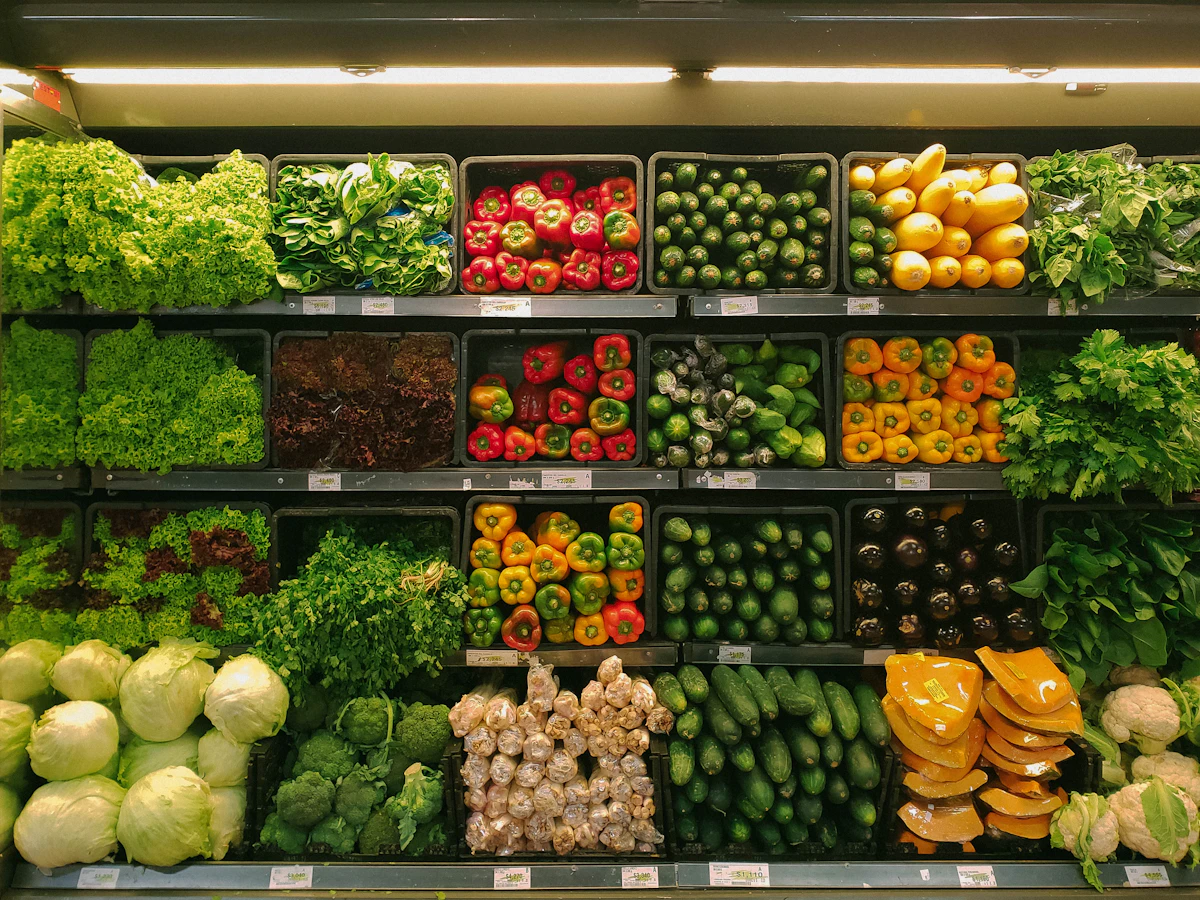
Start With Real Food, Not Perfect Plans
Starting with real food instead of a flawless schedule makes busy weeks feel more doable. A color‑coded meal plan looks inspiring, but if it ignores your actual life, it usually leads to guilt, spoiled produce, and last‑minute delivery.
A more realistic starting point is simple: what will you actually eat, and how much time will you really have on specific nights? Begin with your calendar. If you know a couple of evenings are packed, plug in ultra‑fast options there: pre‑washed salad mix with rotisserie‑style chicken, frozen vegetables, or a carton of soup boosted with extra beans or greens. Save any “from scratch” cooking for nights when you can spare closer to half an hour.
Then build your list around ingredients that mix and match easily. Think in pieces rather than recipes: a lean protein, a vegetable or fruit, a complex carb, and a source of healthy fat. Items like chicken thighs, tofu, eggs, canned fish, beans, frozen veggies, salad greens, oats, rice, whole‑grain bread, olive oil, nuts, and yogurt can land on your plate in different combinations all week.
Prepared or semi‑prepared foods can count as real food. A tub of hummus, a bag of slaw mix, precooked lentils, frozen brown rice, or marinated meatballs become quick, balanced meals when you add extra vegetables or a simple side salad. The goal is not gourmet; the goal is “I actually ate something balanced.”
Keeping the list short and flexible helps you stay consistent. Plan a few anchor meals, repeat ingredients on purpose, and leave at least one “freestyle” night to use up what is left. Healthy eating for a packed week works best when it fits your reality, not an ideal you can only keep up for a couple of days.
Stock Once, Mix Many: Staples That Stretch All Week
Build a flexible base
Shopping once for most of the week works when the same ingredients can turn into many different meals. Choose a few items from each group that all “get along” with each other.
From grains, pick two or three options such as oats, brown rice, or whole‑grain pasta. Add a couple of proteins that keep well, like eggs, frozen fish, tofu, or canned beans. For vegetables, lean on sturdy choices: carrots, onions, leafy greens, broccoli, cherry tomatoes, or frozen mixed vegetables. Round things out with everyday extras: plain yogurt, nuts or seeds, olive oil, and a basic flavor booster like mustard or tomato paste.
With this base, it becomes easy to build breakfast bowls, quick salads, stir‑fries, soups, and grain bowls just by changing the combinations rather than starting from zero every night.
A simple way to see how these staples work is to match them to rough meal types:
| Meal type | Helpful staples to keep on hand | Why they help on busy days |
|---|---|---|
| Quick breakfasts | Oats, yogurt, fruit, nuts or seeds | Minimal prep, easy to eat on the go |
| Packable lunches | Leafy greens, canned beans, whole‑grain bread, hummus | Assemble fast, hold up well in a lunch container |
| Simple dinners | Rice or pasta, frozen veggies, chicken thighs, tofu | Cook in larger batches, reheat well for several meals |
Plan for mix‑and‑match
Thinking in “slots” instead of fixed recipes cuts down on decision fatigue. One grain + one protein + two vegetables + one flavor boost can become almost anything.
Cook a batch of rice or pasta once and keep it in the fridge. Roast a tray of mixed vegetables with salt and oil. Store washed greens and cut carrots in clear containers so you see and use them. On busy days, you only need to heat, mix, and season.
Some simple patterns using the same base items:
- oats + yogurt + fruit + nuts
- beans + rice + greens + tomato paste
- tofu + frozen vegetables + pasta + olive oil and herbs
Because the same small group of staples stretches into many different plates, your cart stays simple while your meals feel varied enough that you are not bored by midweek.
Fast Meal Formulas for Nights When You’re Exhausted
Sheet‑pan dinners that ask almost nothing from you
On nights when you are running on fumes, the most useful rule is: one pan, minimal chopping, almost no thinking.
A basic pattern works with whatever is around. Choose vegetables that roast well: carrots, broccoli, cauliflower, onions, bell peppers, zucchini, potatoes. Cut everything into similar bite‑size pieces so they cook at about the same speed. Toss the vegetables on a tray with olive oil, salt, pepper, and any seasoning you like. Spread them out in a single layer so they roast instead of steaming.
Protein can go on the same tray. Chicken thighs are forgiving because they stay juicy even if the timing is not perfect. Add them after the vegetables have had a short head start, so the vegetables caramelize instead of burning. The result is a full meal with very little active work and almost no cleanup.
Mix‑and‑match bowls from whatever you have
Another low‑effort formula is the “bowl.” Think of it as four pieces: a base, a protein, some vegetables, and a sauce or topping.
The base can be pre‑cooked rice, frozen grains, or leftover pasta. For protein, use cooked beans, rotisserie‑style chicken, canned fish, tofu, or eggs. Vegetables can be raw, roasted earlier in the week, or quickly sautéed in a pan. Finish with something that tastes bold: hummus, pesto, yogurt with lemon, or a drizzle of olive oil plus vinegar.
If there is a grain or starch, a source of protein, and at least one colorful vegetable in the bowl, it counts as a win on a draining night.
A rough guide helps match the bowl idea to your energy level:
| Energy level after work | Bowl choices that fit | Trade‑offs to expect |
|---|---|---|
| Very low | Leftover grains, canned beans, raw veggies, simple dip | Fastest option, more repetition in flavors |
| Medium | Frozen grains, sautéed veggies, eggs or tofu | Slightly more dishes, better texture and warmth |
| Higher but still busy | Freshly cooked base, roasted veg, marinated protein | More variety, takes a bit more hands‑on time |
Smart Shopping Habits That Keep Your Cart On Track
Start with a quick game plan
Helpful habits start before you walk into the store. Take a few minutes to scan your week for late workdays, social plans, and nights at home. Then choose simple meals that reuse the same ingredients on different days, like using one pack of leafy greens for salads, wraps, and a fast side dish. When ingredients overlap, you waste less food and usually spend less money.
Write your list in roughly the same order as the store layout: produce, proteins, dairy, pantry, frozen. This keeps you from running back and forth and limits wandering into snack aisles. Keeping a running list on your phone during the week also means you are not relying on memory in the parking lot.
Shop with focus, not on autopilot
Once you are in the store, treat your list as a loose recipe for the week. When something tempting catches your eye, ask: Will I use this in more than one meal, and does it replace something less healthy I already buy? If the answer is no, it probably does not need to land in the cart.
Focus on mostly whole foods from the outer aisles—vegetables, fruit, plain yogurt, eggs, and simple proteins—and then fill gaps with pantry items like canned beans, oats, or whole‑grain pasta. Check unit prices on the shelf labels so you are not paying extra just for flashier packaging.
Before checkout, do a short cart audit: Do you have enough fresh items for most meals, and do you have a loose plan for each one? Putting one or two impulse buys back and maybe adding an extra bag of frozen vegetables or beans can be the small shift that keeps the week, and your budget, on track without feeling like you are on a strict diet or rigid plan.
Q&A
- How do I build a healthy grocery list for a busy week without overbuying?
Start by planning around repeat ingredients instead of unique recipes. Choose 2–3 proteins, 3–4 versatile vegetables, one or two grains, plus a few healthy fats and snacks. Make sure each item fits at least two meals. This keeps the cart lean, reduces waste, and simplifies decisions after work.
- What are must‑have staples for a healthy grocery list for a busy week?
Prioritize items that store well and cook fast: eggs, canned beans, tofu or chicken, frozen vegetables, salad mix, brown rice or quinoa, oats, Greek yogurt, nuts, fruit, and a couple of jarred sauces. With these in your kitchen, you can throw together quick breakfasts, packable lunches, and simple dinners in minutes.
- How can I keep a healthy grocery list for a busy week budget‑friendly?
Build meals around cheap workhorses like beans, oats, rice, frozen vegetables, and in‑season produce. Buy store brands when ingredients match, and use unit price labels to compare sizes. Plan two or three dinners that share the same core ingredients so you can buy slightly larger packages without letting anything spoil.
- How do I adapt a healthy grocery list for a busy week if I hate meal prep?
Skip full meal prep and focus on “prep‑light” moves. Choose ready‑to‑eat or minimal‑prep foods such as pre‑washed greens, rotisserie‑style chicken, steam‑in‑bag frozen veggies, microwaveable grains, hummus, and cut fruit. Your only job becomes assembling components, not cooking elaborate recipes every night.
- What snacks belong on a healthy grocery list for a busy week?
Pick snacks that need zero cooking but still offer protein or fiber so they’re satisfying: string cheese, yogurt, nuts, seeds, baby carrots, apples, oranges, hummus, and whole‑grain crackers or popcorn. Add one sweet treat you genuinely enjoy to prevent feeling deprived and reduce random impulse buys later.